Morocco mining investment is gaining global momentum, with the North African nation surging into the top 20 jurisdictions worldwide, according to the Fraser Institute’s 2024 Investment Attractiveness Index. A combination of regulatory reform and critical mineral assets has propelled the country to 18th place—its highest-ever ranking among 82 jurisdictions.

The Fraser survey, widely followed by institutional investors, reveals Morocco’s policy perception shot up from 80th to 28th globally—one of the largest year-over-year leaps. Mining executives praised the country’s expedited permitting, legal stability, and openness to foreign capital.
Strategic Metals Strengthen Competitive Edge
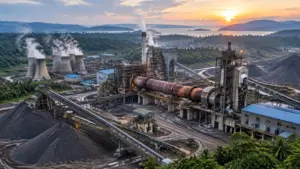
Morocco’s mineral inventory reads like a who’s who of energy transition essentials: cobalt, copper, zinc, lead, and notably, phosphates. These feed into global clean-tech value chains, from batteries to fertilizers. At the heart of this boom lies the OCP Group’s Khouribga phosphate mine—one of the world’s largest—and its 200-kilometer desalinated water pipeline from Jorf Lasfar, an African first.
“Morocco has cracked the perception problem,” said Anouar Boumellal, a Casablanca-based extractive strategy consultant. “Now it must deliver on execution.”
Morocco’s Mining Rankings vs. Key African Peers (Fraser Index 2024)
More Read

| Country | Global Rank | Policy Rank | Mineral Rank |
|---|---|---|---|
| Morocco | 18 | 28 | Top Quartile |
| Botswana | 20 | 30 | High |
| Ghana | 46 | 60 | Mid |
| DR Congo | 58 | 75 | High |
| South Africa | 68 | 78 | Mid |
Africa’s Policy Standout
Morocco now ranks higher than all but one African peer—Botswana (20th). Its performance outpaces Ghana (46th), DRC (58th), and South Africa (68th), long dominant in continental mining. Analysts credit Morocco’s policy continuity and investor protections for the jump.

“In a post-COVID investment landscape, Morocco offers a rare alignment between regulatory predictability and strategic mineral supply,” said a UK-based mid-tier executive.
Challenges Beneath the Surface
Yet logistical bottlenecks and bureaucratic delays persist, especially in underserved zones like Midelt and Tafilalet. Critics say Morocco’s mining code remains outdated, lacking clarity on fiscal terms and digital permit systems.
More Read

To cement gains, reforms must extend to local permitting, vocational mining labor, and incentives for downstream processing.
Investment Credibility Builds, Execution Key
With Europe racing to de-risk critical mineral imports, Morocco’s proximity and resource mix offer a strategic advantage. But only sustained administrative delivery will turn policy promise into production reality.