By Charles Pitts
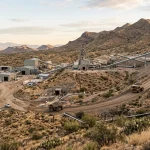
Atlantic Mining Nova Scotia, a subsidiary of the Australian-based St Barbara Ltd, has secured the necessary regulatory green light to initiate a significant “reboot” of its Touquoy gold mine operations. This strategic pivot focuses exclusively on the processing of approximately three million tonnes of stockpiled ore: a move estimated to yield roughly C$180 million in gold value.
The decision, finalized in early 2026, follows a period of care and maintenance at the Moose River site after primary mining activities ceased in 2023. With global gold prices reaching historic highs, the economic feasibility of extracting value from previously mined material has shifted from a marginal recovery effort to a primary revenue driver for the regional operator.
Regulatory Clearance and Project Scope
The Nova Scotia Department of Environment and Climate Change issued the critical industrial approval on April 10, 2026. This permit allows the company to restart the processing plant specifically for the existing low-grade and medium-grade stockpiles.
More Read

Crucially, the approval does not permit any new open-pit extraction or underground mining. All activities must remain within the existing disturbed footprint of the site. This “stockpile-only” campaign is scheduled to begin in November 2026 and is expected to run for a duration of 10 to 14 months.

Under the terms of the agreement, Atlantic Mining will utilize the existing open pit for the disposal of tailings. This approach addresses environmental concerns regarding mine waste management by avoiding the construction of new tailings dams and instead filling the excavated void left by previous mining phases.
Economic Impact and Local Employment
For the province of Nova Scotia, the restart represents a short-term but intense economic injection. Government estimates suggest the project will contribute approximately C$151 million to the provincial GDP.
More Read

The labor requirements for the processing campaign are significant, with the project expected to support roughly 197 direct jobs. While many of these roles were suspended when mining operations halted in 2023, the reboot provides a clear timeline for re-engagement of skilled operators and technicians in the region.
| Project Metric | Detail |
|---|---|
| Project Operator | Atlantic Mining Nova Scotia (St Barbara Ltd) |
| Target Material | ~3 Million Tonnes of Stockpiled Ore |
| Estimated Gold Value | C$180 Million |
| Commencement Date | November 2026 |
| Operational Window | 10–14 Months |
| Anticipated GDP Contribution | C$151 Million |
| Workforce Requirement | ~197 Positions |
Technical Strategy: From Stockpile to Gold Bar
Processing stockpiled ore is a logistical exercise in optimization. Because the material has already been blasted and moved, the operational costs are significantly lower than traditional “drill-and-blast” mining. The primary expenses will center on mill operation, reagents, and electricity.

The Touquoy mill was designed for high throughput, which allows Atlantic Mining to move through the three-million-tonne stockpile relatively quickly. The grade of the stockpiled ore is typically lower than the primary ore mined during the site’s peak years; however, current mining news suggests that the elevated price environment more than compensates for the lower recovery rates per tonne.
St Barbara has confirmed that the site’s C$79.9 million reclamation bond remains in place. This bond ensures that once the processing campaign concludes in late 2027, the company is legally and financially obligated to complete full site restoration. Reclamation work in other areas of the Moose River site has already been underway since 2024 and will continue concurrently where safe to do so.
Gold Price Forecast 2026 Outlook
The timing of the Touquoy reboot is meticulously aligned with the global gold market. As of mid-2026, the metal continues to benefit from a “perfect storm” of geopolitical uncertainty and central bank diversification.
Investment banks including J.P. Morgan and Goldman Sachs have maintained bullish stances throughout the year. J.P. Morgan Global Research recently updated its outlook, suggesting gold could test the $5,000 to $6,000 per ounce range by the fourth quarter of 2026. This forecast is driven by several factors:
- Monetary Policy: Expectations of stabilized or declining real interest rates.
- Central Bank Buying: Persistent demand from emerging market central banks seeking alternatives to the U.S. dollar.
- Inflation Hedging: Long-term concerns regarding global fiscal sustainability.
For an operator like St Barbara, processing stockpiles at $5,000+ per ounce gold is a vastly different economic proposition than it was when the ore was first set aside. The margin expansion allows for the profitable processing of material that would have been considered “waste” or “sub-economic” just three years ago.
Mining Stocks to Watch 2026
Investors are closely watching how junior and mid-tier producers manage their existing assets as they wait for new critical minerals projects to come online. The “restart” model seen at Touquoy is likely to be replicated elsewhere as companies look for low-capex ways to capitalize on the gold rally.
St Barbara Ltd (ASX: SBM): The successful execution of the Touquoy campaign is vital for St Barbara’s balance sheet. It provides a non-dilutive cash flow stream that can be used to fund other development projects in their portfolio or to offset the high costs of reclamation.
Agnico Eagle Mines (AEM): As a leader in Canadian gold production, Agnico remains a bellwether for the industry. Their operational consistency in high-latitude environments sets the benchmark for companies like Atlantic Mining.
Newmont Corporation (NEM): While focused on much larger-scale operations than Touquoy, Newmont’s global production costs provide the baseline for industry-wide All-In Sustaining Costs (AISC).

Strategic Realignment and Long-term Closure
It is important to note that the Touquoy reboot is effectively the final chapter for the current iteration of the mine. St Barbara had originally sought to expand the operation into nearby deposits (such as Beaver Dam or Fifteen Mile Stream), but those plans faced significant regulatory and environmental hurdles.
The decision to process the stockpiles and then move directly into full reclamation signals a “discipline-first” approach by the company. Rather than engaging in prolonged legal battles for expansion, they are opting to monetize the existing asset and fulfill their environmental obligations.
As the industry looks toward 2027, the Touquoy experience will serve as a case study in how to responsibly manage the transition from active mining to closure. The integration of economic recovery (stockpile processing) with environmental remediation (tailings disposal in the pit) represents a modern approach to the mining lifecycle.
The Investor and Operator Perspective
For mining professionals and investors, the Touquoy reboot highlights the importance of “latent assets.” Stockpiles are often overlooked during periods of low commodity prices, but they act as a high-leverage option when the market turns.

Operators are increasingly looking at their “waste” piles with fresh eyes. Recent technological advances in ore sorting and processing efficiency, combined with high metal prices, are turning old tailings and low-grade dumps into viable projects. Similar trends are emerging in other sectors, such as the Jonnagiri gold mine developments, where infrastructure and existing resources are being optimized for maximum output.
As Atlantic Mining prepares for the November start, the focus remains on execution. The next 14 months will determine whether the C$180 million estimate is achieved or exceeded, providing a final boost to the Nova Scotian gold industry before the site shifts permanently into the reclamation phase.