By Charles Pitts

The global uranium market faces a critical shift. Supply remains tight as 2026 approaches. Demand for baseload nuclear power is rising. Many countries now prioritize energy security. This shift drives a new uranium supercycle. Two projects highlight this story. One is the established Cigar Lake mine. The other is the emerging Tiris project. Both represent the future of nuclear fuel.
The 2026 Supply and Demand Gap
Primary mine supply remains under pressure. Forecasts for 2026 show significant constraints. Analysts expect 175 million pounds of production. However, reactor demand will exceed 200 million. This creates a 25 million pound deficit. This gap threatens global energy transition goals. Secondary supplies cannot bridge this entire divide.
Utilities are now returning to long-term contracts. They need to secure future fuel loads. Prices are reacting to this structural imbalance. The market is entering a long-term bull phase. Investors are watching production targets closely.
Cigar Lake: The Industry Bedrock
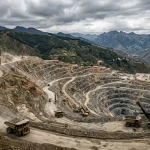
Cigar Lake is a vital asset. It sits in the Athabasca Basin. It is the highest-grade uranium mine. Cameco and Orano recently consolidated their stakes. This move strengthens their market control. Cameco operates the site with high precision.
More Read



Cameco issued 2026 production guidance. They aim for 21.5 million pounds. This reflects a disciplined ramp-up strategy. They do not want to flood the spot market. Instead, they focus on contract coverage. This approach supports price stability for operators. Cameco’s market outlook highlights this growing demand.
Tiris: The Next Frontier in Mauritania
Aura Energy is advancing the Tiris project. It is located in Mauritania, Africa. The project is a calcrete uranium deposit. It offers low capital expenditure requirements. Aura Energy aims for a 2026 production push. However, Tiris is still in development.
More Read

It will not impact 2026 supply immediately. Most analysts view it as post-2026 supply. It represents the “second wave” of projects. This wave is essential for late-decade needs. Tiris highlights the need for new jurisdictions. Diversifying supply away from traditional hubs is key.
Geopolitical Drivers and Energy Security
Energy security is a top priority now. Western nations want to reduce Russian reliance. This shift benefits Canadian and African projects. The United States is also boosting domestic support. Policy shifts are favoring nuclear life extensions. Old reactors are staying online longer.

Small Modular Reactors (SMRs) are also emerging. They will create new demand clusters. SMRs are rewriting the demand curve for the next decade. This technology requires reliable uranium streams. Mining companies must prepare for this volume.
Operational Risks and Challenges
Mining uranium is not easy or fast. Permitting often takes over a decade. Supply chains face many logistical hurdles. Labor shortages also impact project timelines. Cameco recently cut some production guidance. These cuts highlight the operational risks involved.
Kazatomprom also faces production challenges. They are the world’s largest producer. Their guidance cuts shocked the market recently. This reinforces the need for diverse supply. Mining operators must invest in technology. Automation helps improve safety and efficiency.

Nuclear Power and Baseload Stability
Renewables need a reliable partner for stability. Nuclear power provides constant baseload electricity. It does not depend on weather patterns. This makes it vital for grid stability. The International Atomic Energy Agency (IAEA) agrees. They project a doubling of nuclear capacity. This growth requires millions of new pounds.
Uranium’s role in the energy nexus is expanding rapidly. Even Big Tech is entering the race. Data centers require massive, carbon-free power. Nuclear is the preferred choice for them. This adds a new layer of demand.
The 2026 Outlook: A Bullish Path
The path to 2026 looks very tight. Primary production cannot meet current demand levels. Inventory drawdowns are reaching their limits. This creates a “seller’s market” for miners. Contract prices are trending toward record highs.

Investors should focus on proven producers. Cameco and Orano are the market leaders. They have the infrastructure and the ore. Development projects like Tiris are also important. They represent the long-term supply pipeline. The 2026 uranium price forecast reflects these tight fundamentals.
Summary Table: 2026 Market Dynamics
| Metric | 2026 Forecast Value | Significance |
|---|---|---|
| Primary Mine Supply | ~175 Million lb U3O8 | Constrained by guidance cuts. |
| Reactor Demand | >200 Million lb U3O8 | Driven by restarts and SMRs. |
| Supply-Demand Gap | 25+ Million lb Deficit | Requires secondary supply draw. |
| Cameco Guidance | 19.5–21.5 Million lb | Focus on contract discipline. |
| Tiris Project Status | Late-Development | Future supply for 2027-2028. |
Conclusion
The uranium supercycle 2.0 is here. Supply constraints are the primary driver. From Cigar Lake to Tiris, the story holds. Reliable production is the only solution. The world needs nuclear for the transition. Miners are the gatekeepers of this energy.