By Charles Pitts

Australia’s mining sector is growing fast.
Exploration spending jumped in Q1 2026.
Total spending reached A$939.3 million.
This represents a 16.3% increase.
The industry shows incredible momentum now.
Gold and iron ore lead this charge.
Silver also shows very strong growth.
Investors are watching these figures closely.
The data signals a major shift.
Exploration is the industry’s lifeblood.
Gold Leads the Spending Surge
Gold exploration is booming in 2026.
Expenditure rose by 53.4 percent recently.
High prices drive this massive interest.
Gold prices surpassed US$4,000 per ounce.
This creates record-high profit margins.
Companies are hunting for new deposits.
Brownfield sites see the most activity.
Drillers are also testing greenfield targets.
Western Australia remains the primary hub.
The Yilgarn Craton attracts heavy investment.
Investors favor gold as a hedge.
Political tension fuels this global demand.
Northern Star Resources remains a key player.
Other explorers are following their lead.

Iron Ore Maintains Market Strength
Iron ore remains a critical anchor.
Expenditure in this sector stays strong.
Major producers focus on quality now.
They seek high-grade magnetite and hematite.
Lower-grade ores face tougher market competition.
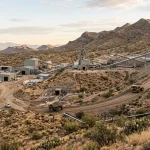
The Pilbara region hosts most activity.
Infrastructure expansion supports this new growth.
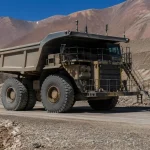
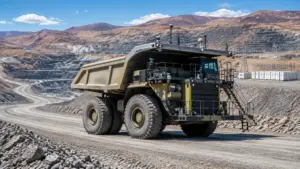
Autonomous trucks improve site operational safety.
Companies want to lower their costs.
Australian iron ore stays globally competitive.
Production costs remain among the lowest.
This protects margins during price swings.
The global market still needs steel.
China remains the largest single buyer.
New supply from Africa is coming.
Australian miners must stay efficient now.
They are investing in smarter technology.
More Read



Silver and Critical Minerals Growth
Silver is no longer just a byproduct.
Exploration for silver shows strong growth.
Tech industries demand more silver today.
Solar panels and electronics need it.
Prices hit record highs in 2025.
This trend continues into early 2026.
Polymetallic projects are now more viable.
Miners look for silver-lead-zinc systems.
Critical minerals also attract fresh capital.
Lithium and copper are high priorities.
The 2026 global mining outlook highlights this shift.
Renewable energy drives the mineral demand.
Government grants support these specific projects.
Security of supply is a priority.
Australia positions itself as a partner.
Western nations want reliable mineral sources.
Drilling Activity Hits New Peaks
Total drilled metres increased significantly.
The volume rose by 9.3 percent.
This shows more than just spending.
It shows physical work is happening.
Drill rigs are in high demand.
Contractors are booking months in advance.
Diamond drilling is particularly popular now.
Deep targets require high-precision rigs.
Companies want to define larger resources.
Higher confidence levels attract more funding.
Rig availability remains a slight bottleneck.
Labor shortages also impact some regions.
Skilled geologists are in short supply.
Automation helps bridge some labor gaps.
Remote drilling monitoring is more common.
More Read


Technological Integration in Exploration
Data drives the modern exploration boom.
AI helps geologists identify new targets.
Machine learning analyzes vast historical data.
This reduces the risk of failure.
Satellite imaging identifies surface mineral signatures.
Drones map remote sites with precision.
Control rooms monitor drilling in real-time.
This technology saves time and money.
Companies can pivot their strategy quickly.
Real-time data prevents costly drilling errors.
Innovation is the key to success.
Smaller explorers now use these tools.
The cost of technology is falling.
Efficiency is higher than ever before.
The Skillings Mining Intelligence newsletter tracks these trends.

Regional Expenditure and Jurisdictions
Western Australia dominates the national spend.
It accounts for 64% of expenditure.
The state has a stable environment.
Queensland also shows impressive growth figures.
New South Wales attracts copper investment.
South Australia focuses on iron-oxide-copper-gold.
Northern Territory sees uranium exploration rising.
Each state offers different geological potential.
Pro-mining policies help attract foreign capital.
Some regions face tougher environmental laws.
Permitting times vary between the states.
Investors prefer fast and clear approvals.
Infrastructure availability dictates the project pace.
Remote regions need better road access.
Rail links are vital for bulk commodities.
Policy Shifts and Regulatory Risks
Future policy shifts remain a risk.
Approval delays can stall major projects.
ESG expectations are higher than ever.
Communities demand better environmental protection now.
Indigenous consent is a critical requirement.
Companies must engage early and often.
Taxation changes are also a concern.
Royalty rates can change without notice.
This impacts long-term project economic models.
Climate policy influences investment flow today.
Decarbonization is no longer an option.
It is a requirement for capital.
Global trade tensions add another layer.
Trade wars can disrupt mineral exports.
Miners must prepare for sudden shifts.
Risk management is a top priority.
Market Outlook for Late 2026
The 2026 outlook remains mostly positive.
High commodity prices support high spending.
Gold will likely lead for years.
Iron ore demand stays relatively stable.
Critical minerals will see more growth.
Australia remains a top tier jurisdiction.
Geological potential is still very high.
Deep-cover exploration is the next frontier.
New discoveries will drive future booms.
Equity markets remain open for miners.
M&A activity is expected to rise.
Larger firms will buy smaller explorers.
This consolidates the Australian mining market.
The sector is healthy and active.