By Charles Pitts

Cabral Gold has reached a pivotal 70% construction milestone at its Cuiu Cuiu Phase 1 gold-in-oxide project in the Tapajós region of Northern Brazil. With major earthworks now concluded and plant erection underway, the junior producer is shifting its focus toward commissioning scheduled for the third quarter of 2026.
The project, which represents a transition from exploration to production for the Vancouver-based company, remains on budget and on schedule despite the logistical complexities of operating in the Amazon basin. Management confirmed this week that approximately 85% of the total project costs are now committed under contract, significantly de-risking the financial outlook as the site moves into its final build phase.
Transitioning to Plant Erection
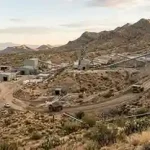
The arrival of June 2026 marks the end of the most intensive civil works period at Cuiu Cuiu. Reports from the site indicate that the 160-person mine camp and administrative offices are fully operational, providing the necessary infrastructure to support the peak workforce required for mechanical assembly.
The primary focus has now pivoted to the Adsorption-Desorption-Recovery (ADR) plant. Components for the processing facility are currently in transit to the site, with foundations already poured and ready for structural steel. The “dry circuit”: including the crushing and stacking equipment: is slated for initial commissioning later this month. By initiating ore leaching on the pads ahead of full plant completion, Cabral aims to build up gold inventory in solution, effectively priming the system for a more rapid ramp-up in the fourth quarter.
More Read

“Completing the earthworks is a major de-risking event,” said a project engineer familiar with the site’s development. “In this region, managing soil and drainage is the hardest part. Moving into plant erection means we are now working with known quantities and modular components.”


Financing via the Aegis Gold Loan
Construction of Phase 1 has been underpinned by a unique financing structure provided by Cabral’s largest shareholder, the Aegis Value Fund. Rather than a traditional bank loan or high-interest bridge facility, the project is funded via a gold-linked loan of 353 kilograms of gold (approximately US$45 million at the time of signing).
More Read

This “gold-for-gold” arrangement carries a 10% interest rate and features a repayment schedule specifically designed to protect the company’s cash flow during the critical start-up period.
Key terms of the Aegis financing include:
- Term: 39 months.
- Interest Payments: The first interest-only payment is not due until December 2026, allowing the project to achieve commercial production first.
- Principal Amortization: Combined principal and interest payments begin in March 2027.
- Equity Support: Aegis currently holds roughly 173 million shares of Cabral, aligning the lender’s interests with those of the long-term equity holders.
For investors, this structure avoids the dilutive impact of a massive equity raise at the bottom of a market cycle while ensuring that the debt service is manageable relative to the projected production of 25,000 ounces per year.
Project Economics and Phase 1 Metrics
The Phase 1 heap-leach operation is designed to process 3,000 tonnes of ore per day (tpd). While small compared to the multi-million-ounce potential of the larger Cuiu Cuiu district, Phase 1 serves as a self-funding mechanism for future expansion into the underlying fresh rock (unweathered) gold deposits.
| Metric | Phase 1 Projection |
|---|---|
| Current Construction Progress | 70% |
| Costs Committed Under Contract | 85% |
| Initial Production Target | ~25,000 oz Gold/Year |
| All-In Sustaining Costs (AISC) | ~US$1,210/oz |
| Commissioning Start | Q3 2026 |
| Commercial Production | Q4 2026 |
According to the latest Stage 1 Pre-Feasibility Study (PFS) metrics, the low-strip-ratio saprolite ore allows for a relatively lean operation. With gold prices holding strong, the US$1,210/oz AISC target suggests significant margin potential that can be reinvested into the mining review process for the Phase 2 expansion.

Geological Context and Regional Impact
The Cuiu Cuiu project is located in the Tapajós Gold Province, a region famous for the world’s largest gold rush in the 1970s and 80s, which saw nearly 30 million ounces of gold extracted by artisanal miners (garimpeiros). Cabral’s modern industrial approach is a significant shift for the region, bringing formal employment and environmental standards to a historically informal mining district.
The project sits on a major structural trend that also hosts G Mining Ventures’ TZ project. The regional geology is characterized by extensive blankets of saprolite: weathered rock where the gold has been liberated from the hard host rock by millions of years of tropical weathering. This “free-dig” material is what makes the Phase 1 heap-leach economically viable, as it requires minimal blasting and simple processing.
Timeline and Key Risks
While the 70% milestone is cause for optimism, the road to Q4 production is not without risks. The transition from “cold” commissioning (testing motors and conveyors) to “hot” commissioning (introducing ore and chemicals) is often where technical bottlenecks appear.
Primary Risks for H2 2026:
- Logistical Delays: The ADR plant is currently in transit. Any delays at Brazilian ports or on the road to the Tapajós region could squeeze the Q3 commissioning window.
- Rainy Season Impact: While the major earthworks are done, heavy tropical rains can still impact the efficiency of stacking ore on the heap-leach pads.
- Ramp-up Efficiency: Achieving the targeted gold recovery rates in the first 90 days is critical for meeting the December interest payment to Aegis.
If the current momentum continues, Cabral is on track to become Brazil’s newest gold producer by year-end. This would mark a significant achievement for a category/mining company that has spent years defining the resource.

Looking Ahead to Phase 2
Even as Phase 1 nears completion, the company is already looking at the larger picture. The oxide gold being mined today is essentially the “cap” on top of a much larger primary gold system. Results from recent drilling suggest that the high-grade zones at Central and Moreira continue well into the fresh rock.
For the broader Skillings Mining Intelligence community, the Cuiu Cuiu project serves as a case study in “incremental development”: using a low-CAPEX starter project to fund a much larger industrial complex. Success in Q4 2026 will likely provide the market validation Cabral needs to greenlight the Phase 2 feasibility study.