By Charles Pitts

PERTH, Western Australia : Mineral Resources (MinRes) has confirmed the phased restart of its Bald Hill lithium mine in the Eastern Goldfields, positioning the operation to capitalize on a rebound in global spodumene prices. Following a period of care and maintenance initiated in late 2024, the company expects to produce its first spodumene concentrate by July 2026.
The decision to reactivate the asset signals a shift in market sentiment after nearly two years of volatility in the critical minerals sector. MinRes, led by Managing Director Chris Ellison, cited a “significant and sustained recovery” in lithium pricing and robust demand from the battery supply chain as the primary catalysts for the move.
The restart at Bald Hill is not merely a response to current spot prices but a strategic bet on the medium-term supply deficit projected for 2026 and 2027. By leveraging its internal Mining Services model, MinRes aims to bring the asset back online with lower capital intensity than traditional independent operators.
Operational Timeline and Capacity
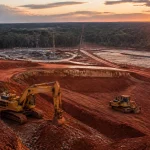
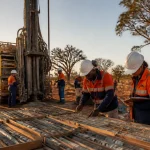
The path back to production began in late May 2026 with the mobilization of personnel and equipment to the site, located approximately 50 kilometers southeast of Kambalda. According to company disclosures, mining and crushing activities are scheduled to commence in June, paving the way for first concentrate production in July.
More Read

At full tilt, Bald Hill has a nameplate capacity of approximately 165,000 dry metric tonnes (dmt) per year of approximately 5.1% spodumene concentrate. On an SC6-equivalent basis (6% lithium oxide), this equates to roughly 140,000 dmt per annum.


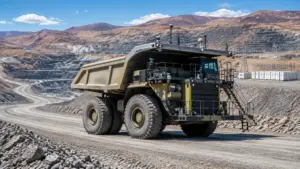
The Bald Hill open-pit operation utilizes Mineral Resources’ internal fleet and logistics infrastructure.
The ramp-up schedule is designed to reach full production capacity by the second quarter of the 2027 fiscal year. Initial shipments are expected to depart from the Port of Esperance in the first quarter of FY27. MinRes estimates the restart and working capital requirements at approximately A$20 million, a relatively lean figure attributed to the site’s well-maintained status during its idle period.
More Read

The Internal Mining Services Advantage
A critical component of the Bald Hill restart is the application of the MinRes “Mining Services” model. Unlike many of its peers that rely on third-party contractors for crushing, haulage, and site management, MinRes operates as its own contractor.
This vertically integrated approach allows the company to:
- Reduce Margin Leakage: By providing its own crushing plants and heavy machinery, MinRes captures the margin that would otherwise go to a service provider.
- Accelerate Timelines: The company has a ready-existing fleet and technical teams that can be deployed faster than a standard procurement cycle allows.
- Optimize Unit Costs: In a price-sensitive market like spodumene, controlling the cost of every tonne crushed is the difference between a profitable restart and an economic drain.

Centralized monitoring and data integration are core to the MinRes operational efficiency strategy.
The Bald Hill deposit holds a Mineral Resource of 58.1 million tonnes at 0.94% Li₂O. During the care and maintenance phase, MinRes focused on preserving this resource, ensuring that the restart would target high-margin ore bodies immediately.
Market Context: The 2026 Lithium Rebound
The timing of the Bald Hill restart coincides with a broader recovery in the lithium complex. After spodumene prices bottomed out in late 2024 and early 2025, leading to production cuts across China and the suspension of several high-cost projects globally, the market has tightened.
By mid-2026, battery-grade lithium carbonate prices have risen significantly from their lows, supported by steady EV adoption and a slowdown in new greenfield supply. Analysts point to recent regulatory shifts and export bans in rival jurisdictions as factors that have improved the competitive standing of Western Australian hard-rock producers.
| Bald Hill Project Metric | Value / Target |
|---|---|
| First Concentrate Target | July 2026 |
| Nameplate Capacity (SC 5.1%) | 165,000 dmt/year |
| Resource Estimate | 58.1 Mt @ 0.94% Li₂O |
| Restart Capital Cost | ~A$20 million |
| Full Capacity Target | Q2 FY2027 |
| Shipping Port | Port of Esperance |
Source: Mineral Resources Market Announcements & Skillings Analysis.
“The market is recognizing that not all lithium units are created equal,” says a Perth-based commodities analyst. “Western Australian spodumene offers a level of jurisdictional stability and ESG transparency that tier-one battery manufacturers are increasingly willing to pay a premium for.”
Looking Toward Fiscal 2027
The restart of Bald Hill adds a third pillar to MinRes’ lithium portfolio, alongside its interests in the Mt Marion and Wodgina mines. While Wodgina and Mt Marion represent larger-scale operations, Bald Hill provides the company with additional flexibility to blend products and optimize shipments out of different regional ports.

Regional logistics and port access remain critical for Western Australian lithium exporters.
Investors will be closely watching the July production figures for any signs of bottlenecking. While the A$20 million restart cost is low, the efficiency of the ramp-up will be the true test of the MinRes model in a recovering market.
As the global energy transition accelerates, the ability of established players like MinRes to toggle production in response to price signals underscores the maturation of the lithium industry. For Bald Hill, the transition from “idled” to “active” represents a milestone in the 2026 mining calendar, signaling that the worst of the lithium downturn may be in the rearview mirror.