By Charles Pitts

Lundin Mining Corporation (TSX: LUN; Nasdaq Stockholm: LUMI) has formalized a series of rigorous environmental, social, and governance (ESG) milestones for the remainder of 2026, following the completion of its first-quarter sustainability audit. The updated framework focuses heavily on its core Chilean assets, the Candelaria and Caserones operations, where the company aims to accelerate decarbonization and water stewardship efforts ahead of its upcoming Annual General Meeting (AGM) on May 7, 2026.
The Q1 audit results, released this week, confirm that Lundin is on track to meet its interim goal of a 35% absolute reduction in Scope 1 and Scope 2 greenhouse gas (GHG) emissions by 2030. However, the new 2026 targets represent a more immediate shift toward operational transparency and the integration of Scope 3 emission tracking: a critical metric as the company faces increasing shareholder pressure regarding its material value chain impact.
Audit Findings and Operational Performance
The Q1 sustainability audit served as a comprehensive review of the company’s internal reporting mechanisms and its adherence to the Global Industry Standard on Tailings Management (GISTM). Auditors noted significant progress in the standardization of ESG data collection across the newly integrated Caserones mine, which Lundin gained majority control of in 2023.
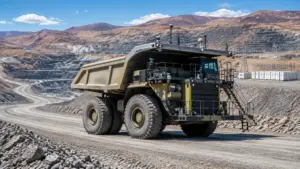
At the Candelaria Copper Mining Complex, the audit highlighted a continued trend of zero “Level 3” or higher environmental incidents: a key safety and compliance benchmark for the company. The facility, which includes an open-pit mine and multiple underground operations, has transitioned a significant portion of its heavy machinery fleet to high-efficiency models, contributing to a 4% year-over-year reduction in fuel-related emissions for the quarter.
More Read

“The Q1 audit validates our current trajectory while highlighting the areas where we must accelerate,” the company noted in its supplementary sustainability disclosure. “Specifically, the alignment of Caserones with our corporate ESG standards is a priority for the 2026 fiscal year.”


Candelaria: Leading the Water Stewardship Mandate
Located in the water-stressed Atacama region of Chile, Candelaria remains the focal point for Lundin’s water management strategy. The 2026 targets specify a mandate to maintain 100% desalinated water usage for all operational requirements, effectively eliminating the mine’s reliance on local groundwater aquifers.
More Read

The Q1 audit confirmed that the Candelaria desalination plant, located at the Port of Caldera, operated at peak efficiency throughout the first three months of the year. The company’s 2026 roadmap includes a $45 million investment in pipeline infrastructure upgrades to ensure long-term reliability and to support potential throughput increases without expanding the operation’s water footprint.
Beyond water, Candelaria is undergoing a phased transition to renewable energy contracts. As of April 2026, over 85% of the power consumed at the site is sourced from wind and solar providers. The aggressive 2026 target aims to reach 95% renewable power by the fourth quarter, a move that would significantly lower the site’s Scope 2 emissions profile.
Caserones: Integration and the Copper Mark
The Caserones operation, situated at high altitude in the Andes, has been a central focus of Lundin’s ESG alignment strategy. The Q1 audit marks the first full-scale sustainability review of the asset since the integration of Lundin’s management systems.
A primary goal for Caserones in 2026 is achieving the “Copper Mark” certification: a leading assurance framework for responsible copper production. The audit found that while Caserones currently meets the majority of the Copper Mark’s 32 criteria, additional work is required in the areas of community grievance mechanisms and material Scope 3 disclosure.
To address these gaps, Lundin has committed to a 2026 local procurement target of 25% for the Caserones site. By prioritizing regional suppliers in the Atacama region, the company seeks to strengthen community ties and reduce the carbon intensity of its logistics chain. This initiative is expected to be a major talking point at the May 7 AGM, where investors will vote on a proposal requesting more detailed disclosure on Scope 3 reduction strategies.

Decarbonization and the Scope 3 Challenge
While Lundin has made clear strides in Scope 1 (direct) and Scope 2 (purchased energy) emissions, the Q1 audit emphasized the complexity of addressing Scope 3: indirect emissions that occur in the company’s value chain. Currently, Scope 3 accounts for approximately 68% of Lundin’s total carbon footprint.
The 2026 targets include the completion of a “Material Scope 3 Inventory,” which involves engaging with top-tier suppliers and downstream smelting partners to collect primary data. This initiative is designed to move beyond industry-average estimates toward concrete, actionable data that can inform future reduction agreements.
The company is also exploring the feasibility of electric haul truck trials at Candelaria as part of its 2026 technology roadmap. While still in the pilot stage, the shift toward electrification is considered essential for reaching the 2030 interim reduction target.
Financial and Market Implications
From an investor perspective, Lundin’s aggressive ESG stance is increasingly tied to its cost of capital and access to “green” financing. The Q1 audit comes at a time when major institutional investors are scrutinizing the mining sector’s role in the energy transition. Copper remains a critical mineral for global electrification, but the “cleanliness” of that copper is becoming a market differentiator.
Analysts suggest that Lundin’s proactive disclosure and commitment to the Copper Mark may provide a valuation premium compared to peers who have been slower to adopt standardized ESG reporting. However, the aggressive nature of the 2026 targets also carries execution risks, particularly regarding the technical challenges of high-altitude operations at Caserones and the inflationary pressures on renewable energy components.

2026 ESG Performance Tracker: Q1 Status vs. Targets
The following table summarizes the key metrics identified in the Q1 audit and the established targets for the 2026 fiscal year.
| Metric | Q1 2026 Status | 2026 Year-End Target | Primary Asset |
|---|---|---|---|
| Renewable Energy Mix | 85% | 95% | Candelaria |
| Desalinated Water Use | 100% | 100% (Maintain) | Candelaria |
| Copper Mark Certification | In-Progress | Fully Certified | Caserones |
| Local Procurement % | 18% | 25% | Caserones |
| Scope 1 & 2 Reduction | 4% (vs Q1 2025) | 7% (Annualized) | Consolidated |
| Scope 3 Inventory | 60% Complete | 100% Complete | Consolidated |
| Level 3 Env. Incidents | 0 | 0 | Consolidated |
Governance and the Upcoming AGM
The release of these targets just weeks before the May 7 AGM is a strategic move to address shareholder concerns. A prominent shareholder proposal has called for more “aggressive and transparent” reporting on the company’s climate transition plan. By front-loading the 2026 milestones and releasing the Q1 audit data, Lundin’s board is positioning the company as a leader in transparency.
“The mining industry is at an inflection point where ESG performance is no longer a peripheral concern but a core operational requirement,” said a representative from a leading resource-focused investment fund. “Lundin’s focus on Candelaria and Caserones shows they understand the specific regional risks in Chile, particularly around water.”
As the company moves into the second quarter, the focus will shift toward the execution of the pipeline upgrades at Candelaria and the final stages of the Copper Mark audit for Caserones. For industry professionals and investors, these metrics will serve as a bellwether for Lundin’s ability to balance high-margin copper production with the increasing demands of global sustainability standards.

Strategic Outlook for 2026
Lundin Mining’s decision to set aggressive short-term targets highlights a shift in the sector toward more frequent, data-driven ESG updates. The 2026 roadmap provides a clear set of KPIs for management and a transparent scorecard for external stakeholders. With the copper market remaining tight due to supply constraints and rising demand from the energy transition, Lundin’s ability to de-risk its operations through superior ESG performance remains a key component of its long-term growth strategy.
The findings from the Q1 sustainability audit suggest that while the path to net-zero is complex, the integration of technology, regional water management, and renewable energy is already yielding measurable results.
For more in-depth analysis on the Chilean copper sector and critical minerals, visit our Markets and Commodities section or subscribe to the Skillings Mining Review.