By Penny Laneford | Skillings Mining Review

The mining industry sits on roughly 500,000 abandoned mine sites across the United States alone. Most operators view closure as a liability: a financial black hole that swallows capital and delivers nothing but regulatory headaches. But a growing number of forward-thinking companies are flipping the script entirely. They’re turning depleted pits into data centers, transforming tailings ponds into solar farms, and converting underground workings into tourism destinations that generate millions in annual revenue.
Mine closure and reclamation isn’t just about filling holes and planting trees anymore. It’s about strategic asset repositioning. And the companies that figure this out first are discovering that their “worthless” legacy sites might be the most valuable real estate in their portfolio.
The $50 Billion Problem Nobody Wants to Talk About
Here’s the uncomfortable truth: the global mining industry carries an estimated $50 billion in unfunded closure liabilities. That number keeps climbing. Regulatory requirements get stricter every year, communities demand more comprehensive restoration, and the costs of doing nothing: environmental fines, lawsuits, reputational damage: far exceed the costs of doing it right.
But here’s what most executives miss: closure planning isn’t a cost center. It’s a value creation opportunity hiding in plain sight.
More Read

The key lies in developing solutions with a focused end-state vision that brings valuable economic benefit to the surrounding community and the environment. When you approach reclamation as real estate development rather than regulatory compliance, everything changes.


What Mine Closure Actually Involves
Let’s get the basics straight. Mine closure is a formal process for transitioning an operating mine after ore grade material has been depleted and processed. Mine reclamation specifically involves modifying land that has been mined to an ecologically functional and economically usable state.
More Read

This isn’t a six-month project. We’re talking about long-term management spanning decades, covering:
- Water management and protection – Often the most expensive and technically demanding component
- Future land use planning – Determining what the site becomes next
- Rock and tailings management – Stabilizing materials that could pose environmental risks for centuries
- Ongoing monitoring and maintenance – Because Mother Nature doesn’t stop working just because you closed the gate
The smartest operators start this planning on day one of operations, not year twenty. Progressive or concurrent reclamation: restoring land as you go rather than waiting until the end: dramatically reduces final closure costs and accelerates the timeline to profitable reuse.
The Revenue Models Nobody Talks About
So how exactly do you turn a depleted copper mine into a cash-generating asset? The options are more diverse than most people realize.
Renewable Energy Development
Former mine sites offer something increasingly rare: large tracts of disturbed land with existing grid connections, road access, and minimal competing land use claims. Solar developers are paying premium lease rates for exactly this combination.
A 2,000-acre former coal operation in Wyoming recently signed a 30-year solar lease generating $1.2 million annually: pure profit from land that was supposedly worthless. The mine operator contributed nothing beyond the land itself. The solar company handled permitting, construction, and operations.
Pumped hydro storage represents an even bigger opportunity. Those giant open pits? Perfect reservoirs for grid-scale energy storage. Several projects in Australia and Europe are converting abandoned quarries into pumped hydro facilities worth hundreds of millions.

Data Center and Industrial Reuse
Underground mines maintain constant temperatures year-round: typically between 55-65°F regardless of surface conditions. That’s ideal for data centers, which spend enormous sums on cooling. Several former limestone mines in the American Midwest now host secure data storage facilities, paying royalties to the original mine owners.
The infrastructure already exists: power connections, water access, security perimeters, reinforced structures. What would cost $200 million to build from scratch can be adapted for a fraction of that investment.
Tourism and Recreation
This one sounds crazy until you look at the numbers. The Wieliczka Salt Mine in Poland attracts over 1.5 million visitors annually, generating tens of millions in tourism revenue. Former iron mines in Minnesota’s Iron Range have become popular diving destinations. Gold mines across the American West operate profitable tour operations.
The key is authenticity. People pay good money to experience industrial heritage: to descend into the earth and understand how the modern world was built. Mining companies that preserve rather than demolish key structures position themselves for tourism revenue that can last generations.
Agriculture and Conservation Offsets
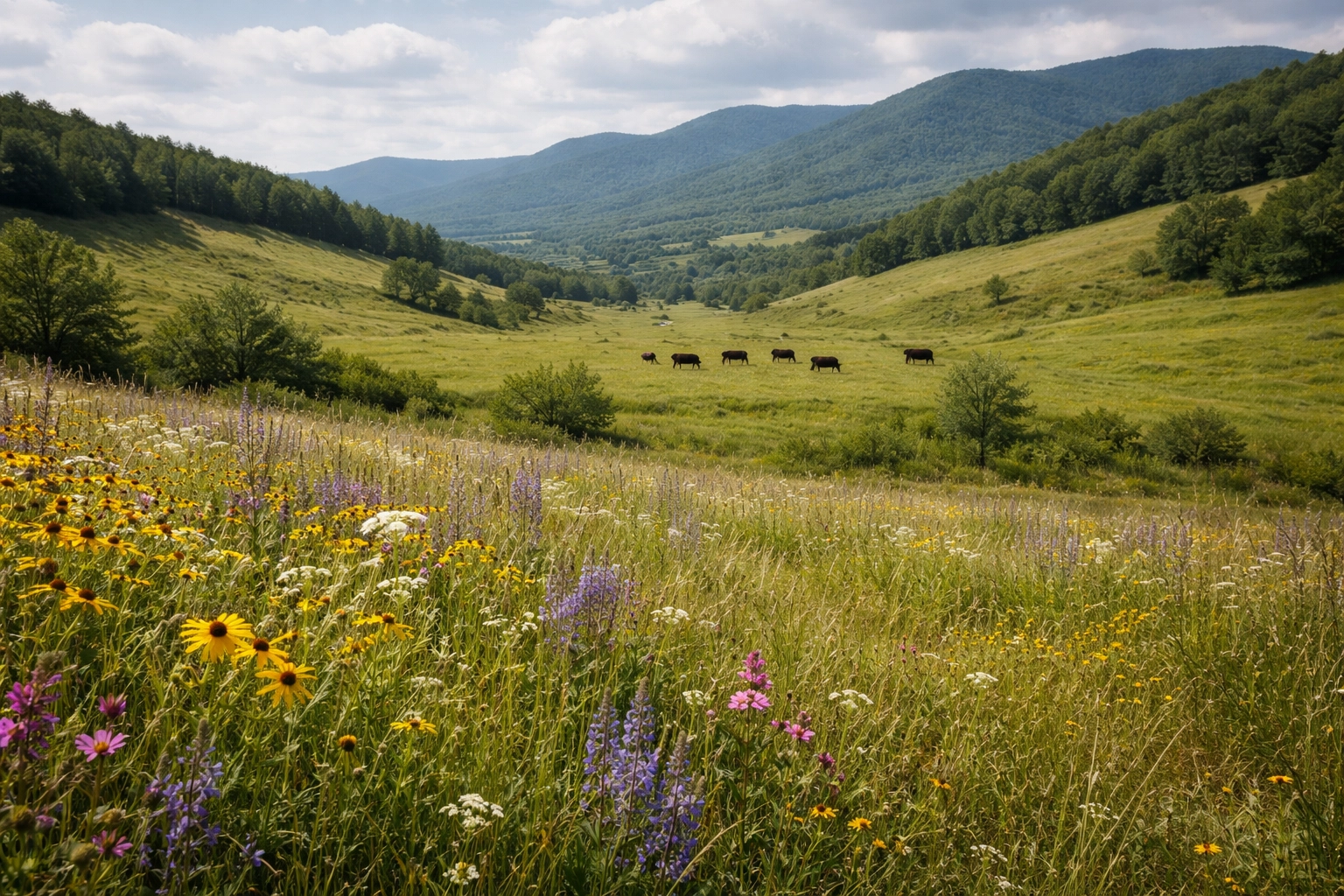
Reclaimed mine land, properly restored, can support grazing, timber production, or conservation banking. Companies facing regulatory requirements to offset environmental impacts elsewhere pay substantial premiums for certified conservation credits.
One gold producer in Nevada generates over $3 million annually from conservation credits on reclaimed land: more than the site produced in its final years of mining operations.
The Planning Process That Actually Works
Successful conversion depends on comprehensive integrated planning that includes stakeholder engagement and strategic decision-making from the earliest stages.
Here’s what that looks like in practice:
Year 1-3 of Operations: Identify potential end uses based on site characteristics, regional economics, and community needs. Engage local stakeholders to understand what the community actually wants: not what you assume they want.
Ongoing Through Mine Life: Design operations to facilitate eventual conversion. This might mean preserving certain structures, managing water systems with future uses in mind, or conducting progressive reclamation that shapes the landscape for its next chapter.
Final 5 Years: Lock in specific reuse plans, secure necessary permits and agreements, begin active marketing to potential end users or developers.
The companies that treat closure as an afterthought spend 30-40% more than those that plan from the start. And they capture almost none of the upside value.
The Community Factor
None of this works without genuine community buy-in. Mining operations typically dominate local economies for decades. When they close, the economic vacuum can devastate towns that built their entire identity around the industry.
Smart closure planning addresses this head-on. It creates jobs in reclamation and construction. It establishes new economic anchors: whether tourism, renewable energy, or industrial reuse: that provide long-term employment. It demonstrates that the mining company sees itself as a permanent community partner, not a temporary resource extractor.
The reputational benefits alone justify the investment. Companies known for responsible closure attract better talent, face less community opposition to new projects, and build relationships with regulators that smooth operations across their entire portfolio.
The Technology Revolution in Reclamation
Modern reclamation looks nothing like the bulldoze-and-seed approaches of previous generations. Drone-based monitoring tracks vegetation establishment across thousands of acres. AI systems analyze water quality data in real-time, flagging potential issues before they become problems. Engineered soil amendments accelerate ecological recovery from decades to years.
The zero-carbon mining push reshaping equipment choices is also transforming reclamation. Electric equipment produces zero on-site emissions, making reclamation projects more compatible with sensitive end uses like recreation or residential development.
Bioengineering techniques now stabilize slopes that would have required massive concrete structures a decade ago. Native seed mixes tailored to specific microclimates establish thriving ecosystems rather than the monoculture grass covers that characterized earlier reclamation efforts.
The Bottom Line
The mining industry’s relationship with closure is fundamentally broken. Most companies still treat reclamation as a regulatory burden: something to minimize, defer, and eventually pay someone else to handle.
The leaders are taking a different approach. They see their depleted sites not as liabilities but as development opportunities. They plan for profitable reuse from day one. They engage communities as partners rather than obstacles. And they’re discovering that mine closure and reclamation, done right, can generate returns that rival the mining operations themselves.
The $50 billion in unfunded closure liabilities sitting on industry balance sheets represents the largest unrealized real estate development opportunity in the resource sector. The question isn’t whether these sites will be converted to productive use: it’s who will capture that value.
Will it be the mining companies that built them? Or someone else who sees what they’re missing?