Category: Articles

Two of the world’s fiercest iron ore competitors just shook hands on what might be the most significant collaboration the Pilbara has seen in decades. Rio Tinto and BHP, companies that have spent generations battling for market share, infrastructure corridors, and bragging rights across Western Australia’s red dirt, are now working together to squeeze an additional 200 million tonnes of iron ore out of their neighboring operations.
Yeah, you read that right. The rivalry isn’t dead, but apparently, it can take a back seat when there’s money on the table and existing infrastructure sitting there waiting to be maximized.
The Deal on the Table
The arrangement centers on two non-binding Memoranda of Understanding covering the Yandicoogina and Yandi operations, which sit practically on top of each other in the eastern Pilbara. Under these MoUs, the two giants will pursue a development partnership on Rio Tinto’s Wunbye deposit while also setting up an ore supply arrangement where BHP feeds ore from its Yandi Lower Channel Deposit into Rio Tinto’s existing wet processing plants.
It’s pragmatic as hell. Rather than each company sinking billions into duplicate infrastructure: rail lines, processing facilities, all the usual capital-intensive stuff that makes mining projects balloon past their budgets: they’re pooling what they’ve already built.
More Read



Rio Tinto’s Iron Ore Chief Executive Matthew Holcz put it plainly: “By working smarter, we can better leverage existing infrastructure to unlock additional production with minimal capital requirements.”
That’s the kind of language that makes shareholders perk up. Minimal capital requirements. In an era where every major mining project seems to come with a cost blowout attached, finding ways to boost production without writing massive checks is exactly what boards want to hear.
More Read

Why This Makes Strategic Sense Now
Here’s the thing about the Pilbara: it’s mature. The easy deposits, the ones sitting right next to existing rail and port infrastructure, have been worked for decades. What’s left are the trickier parcels: deposits split by tenure boundaries, ore bodies that don’t quite justify standalone development, resources that would require duplicate infrastructure spending if each company went it alone.
The Yandi and Yandicoogina operations fit this profile perfectly. They’re neighbors. Their ore feeds into overlapping logistics networks. And critically, there’s still significant tonnage in the ground that neither company could economically extract independently.
This isn’t the first time Rio and BHP have tested this approach either. Back in 2023, the two struck a deal to mine the Mungadoo Pillar: a parcel of ore straddling their shared tenure boundary that was essentially stranded without cooperation. That deal apparently went well enough that both sides decided to expand the playbook.
The Timeline: Patience Required
Don’t expect trucks rolling tomorrow. Rio Tinto and BHP are taking this through the full study gauntlet: conceptual study first, then an order-of-magnitude study, followed by whatever additional engineering and feasibility work gets tacked on. Subject to a final investment decision (and assuming regulators and Traditional Owners give the green light), first ore isn’t anticipated until the early 2030s.
That’s a long runway, but it’s also realistic. Mining projects of this scale don’t get approved overnight, especially when they involve two separate corporate structures, multiple joint venture partners, and the kind of regulatory scrutiny that comes with anything touching the Pilbara’s iron ore patch.
The upside is that both companies have time to structure this properly. Get the commercial terms right. Work through the inevitable friction points that come when competitors try to act like partners.
What 200 Million Tonnes Actually Means
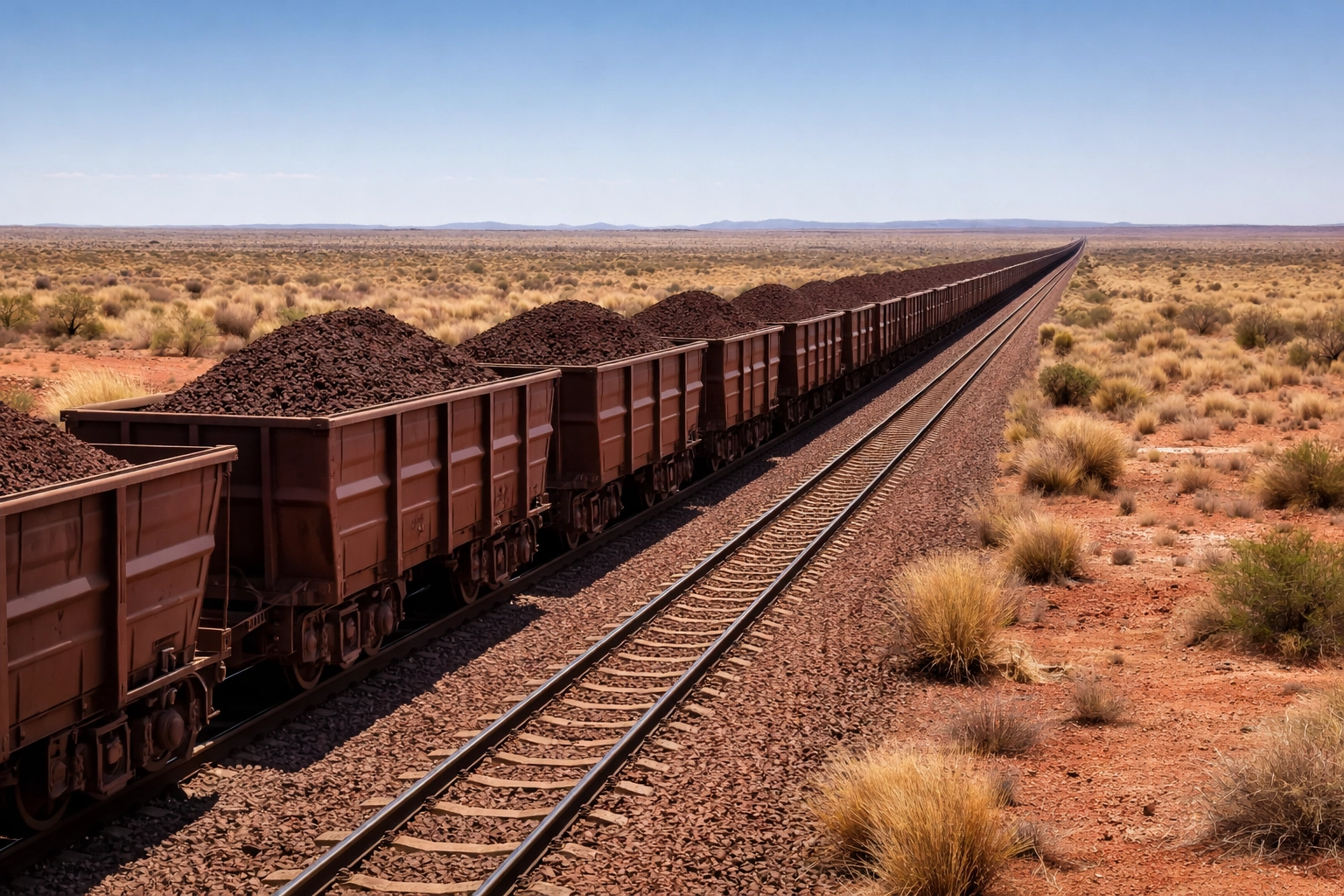
Let’s put some context around that 200 million tonne figure. In 2024, the Pilbara shipped roughly 900 million tonnes of iron ore: the vast majority of Australia’s total exports. BHP and Rio Tinto collectively account for about two-thirds of that volume.
An additional 200 million tonnes spread across the life of these deposits isn’t going to reshape global markets overnight. But it’s meaningful incremental production that extends the runway for existing operations, maintains jobs, and keeps infrastructure utilized that might otherwise wind down as current reserves deplete.
For both companies, this is about sweating their assets harder. The rails are built. The ports are built. The processing plants exist. Feeding more ore through that existing system is vastly more capital-efficient than developing greenfield sites somewhere else.

The Bigger Picture: Competitors as Collaborators
There’s something interesting happening across the mining sector right now: a growing recognition that certain problems are simply too big or too expensive to tackle alone.
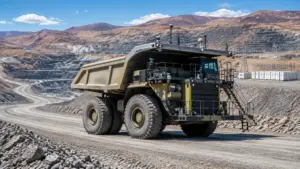
Rio and BHP aren’t just partnering on ore supply. They’ve also recently teamed up to test battery-electric haul trucks at BHP’s Jimblebar mine, exploring whether electrification can replace diesel in the massive trucks that move ore across the Pilbara. That’s a decarbonization challenge that costs billions to solve, and neither company benefits from duplicating the R&D spend.
The industry calls this “coopetition”: competing fiercely in some arenas while collaborating where mutual benefit outweighs competitive concerns. It’s not new, but it’s becoming more common as mining companies face shared pressures around costs, carbon, and the sheer complexity of modern operations.
For investors watching Rio Tinto and BHP, these partnerships signal something important: both companies are prioritizing returns on existing infrastructure over flashy new projects that might not deliver. In a sector notorious for capital destruction through ill-timed expansions, that discipline matters.
What Could Go Wrong
Of course, cooperation between competitors comes with risks. Commercial terms on ore supply arrangements can get contentious. Quality specifications, pricing mechanisms, volume commitments: there’s a lot of detail that has to align for these deals to actually work.
And then there’s the regulatory piece. Australia’s competition watchdog will want assurances that two dominant players collaborating doesn’t somehow harm market function. Traditional Owner consultations add complexity. Joint venture partners on both sides need to approve arrangements that might not perfectly align with their individual interests.
The early 2030s timeline acknowledges all of this. There’s plenty of room for delays, renegotiations, or even a decision to walk away if the numbers don’t ultimately stack up.
The Bottom Line
Rio Tinto and BHP joining forces on Yandi and Yandicoogina represents a pragmatic evolution in how major miners approach mature provinces. The days of building everything yourself, damn the cost, are giving way to something more collaborative: and frankly, more sensible.
Whether this particular partnership delivers on its 200 million tonne promise remains to be seen. But the template it establishes: leveraging shared infrastructure, splitting development risk, and finding creative ways to extend asset life: is likely to shape how the Pilbara operates for the next decade.
The iron ore market won’t change overnight because of this deal. But the way Rio and BHP compete might be shifting in ways that matter more than the tonnage figures suggest.
For more coverage on iron ore markets and Pilbara developments, visit Skillings Mining Review.