By Mo Shine | January 25, 2026

Mining ESG isn’t a checkbox exercise anymore. It’s the difference between getting funded and getting ghosted by investors. In 2026, sustainability practices have crossed the threshold from “nice to have” compliance theater into genuine competitive differentiators: the kind that command premium valuations and determine who survives the next capital cycle.
The shift didn’t happen overnight. But the acceleration over the past 18 months has been brutal. Geopolitical chaos now outweighs traditional market fundamentals in boardroom conversations. Investors care less about your tonnage projections and more about your resilience playbook. And regulations? They’ve got teeth now.
Here’s what’s actually moving the needle this year.
1. Geopolitical Risk Now Trumps Market Fundamentals
Forget copper price forecasts for a second. The real variable keeping mining executives up at night is jurisdiction. Trade wars, resource nationalism, export bans on critical minerals: these aren’t abstract policy discussions anymore. They’re operational realities.
More Read

Investors in 2026 are pricing geopolitical mining risk directly into their models. A lithium project in a stable jurisdiction with mediocre grades might attract more capital than a world-class deposit in a politically volatile region. That’s the new math.

The smart operators are diversifying their asset portfolios geographically and building redundancy into supply chains. Because when a government decides to renegotiate royalty agreements mid-stream, you need options.

More Read

2. Renewable Energy Integration Goes Mainstream
Remote mining operations burning diesel around the clock are becoming relics. The economics finally pencil out for solar, wind, and battery storage systems: even in places where the grid doesn’t exist.
This isn’t just about carbon footprints, though that matters. It’s about cost stability. When your fuel gets trucked across 500 kilometers of unpaved road, price volatility kills your margins. Renewables lock in predictable energy costs and insulate operations from supply chain shocks.
Companies like Rio Tinto and BHP have been piloting hybrid systems for years. In 2026, those pilots are scaling into standard operating procedure across the majors: and the mid-tiers are scrambling to catch up.
3. Carbon Pricing Mechanisms Hit Critical Mass
The carbon pricing conversation is over. It’s now policy in most major mining jurisdictions.
Whether it’s cap-and-trade systems, direct carbon taxes, or embedded compliance costs, miners are paying for emissions in ways they couldn’t have imagined a decade ago. Thermal coal operations are feeling the squeeze hardest, but the pressure extends across commodities.
The companies that mapped their Scope 1, 2, and 3 emissions early have a head start. Everyone else is playing catch-up while regulators tighten the screws. Environmental compliance cost management has become a dedicated line item in operational budgets: not an afterthought buried in quarterly reports.
4. ESG Disclosure Frameworks Become Non-Negotiable
You want institutional capital? Show your work.
ISSB, IFRS S1/S2, GRI, SASB, TCFD: the alphabet soup of disclosure frameworks has consolidated into something resembling a global standard. Investors demand it. Lenders require it. And the days of vague sustainability promises in glossy annual reports are finished.
Transparent ESG disclosure frameworks now directly influence access to favorable financing terms. Banks are baking ESG scores into credit decisions. The premium for strong performers is real, and the penalty for laggards is equally tangible.

5. Blockchain-Enabled Supply Chain Traceability
Here’s where things get interesting. Blockchain technology has graduated from crypto-bro hype into practical industrial application.
Governments and downstream manufacturers want proof that the cobalt in their batteries didn’t come from artisanal mines using child labor. They want verification that the gold in their electronics isn’t financing conflict. Blockchain-enabled traceability systems provide that audit trail: immutable, transparent, and increasingly mandatory for market access.
Mining companies that can demonstrate ESG-compliant sourcing from pit to port are winning contracts. Those that can’t are getting locked out of premium supply chains entirely.
6. Indigenous Engagement Moves From Optics to Strategy
The social license to operate isn’t granted by permits and regulatory approvals. It’s earned: or lost: in communities.
In 2026, indigenous engagement and community partnership frameworks have evolved from PR exercises into genuine strategic imperatives. Impact benefit agreements are getting more sophisticated. Revenue-sharing arrangements are becoming standard. And companies that treat local stakeholders as partners rather than obstacles are advancing projects faster than those still operating with colonial-era playbooks.
The resource nationalism trend reinforces this. Governments are increasingly siding with communities when conflicts arise. Operators who build authentic relationships early avoid the protests, blockades, and regulatory delays that derail projects and destroy shareholder value.
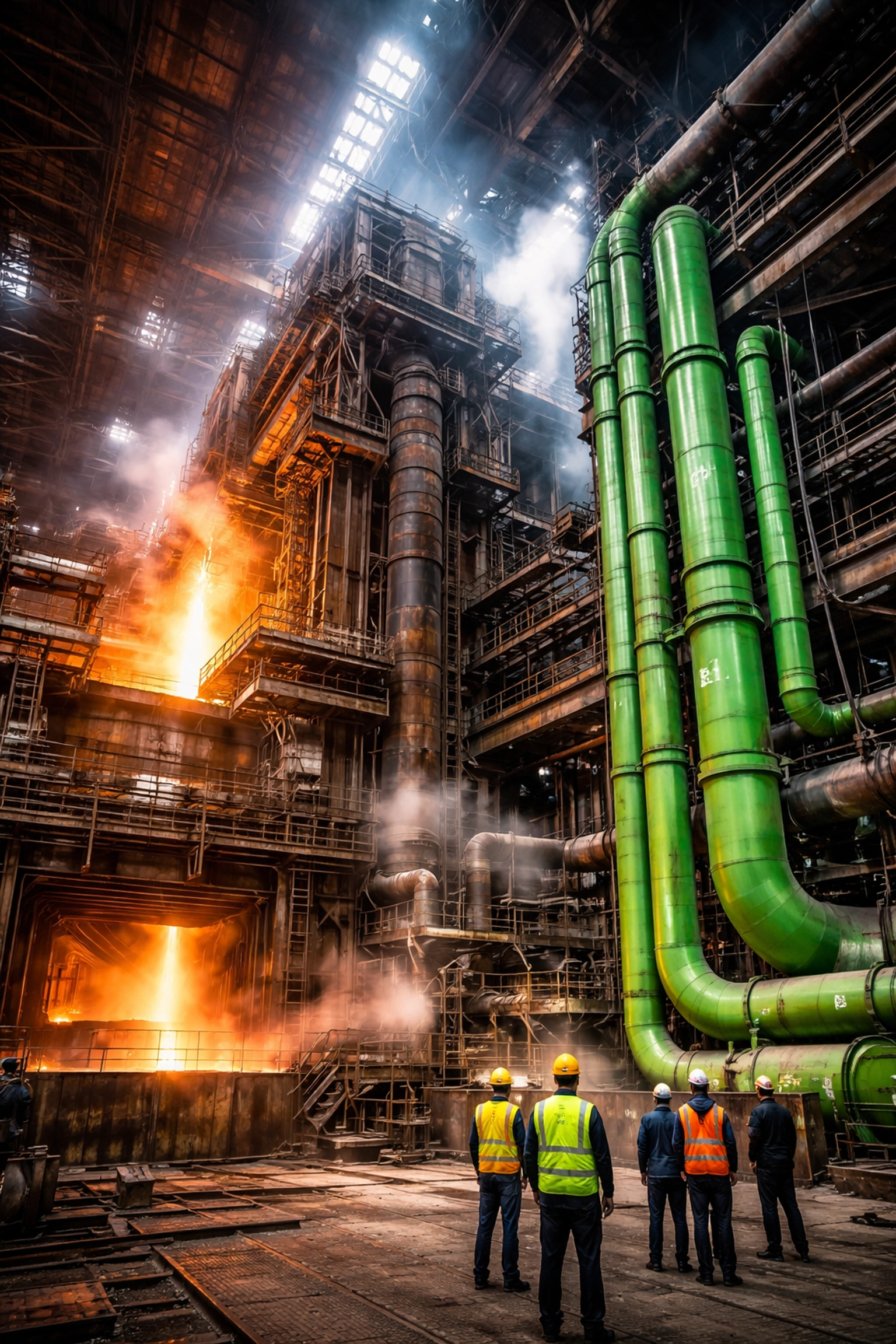
7. Low-Carbon Steel Adoption Reshapes Demand Signals
The steel sector is the mining industry’s biggest customer. And it’s decarbonizing: slowly, unevenly, but unmistakably.
Hydrogen-based direct reduction technologies are scaling. Electric arc furnaces powered by renewables are expanding capacity. The appetite for “green steel” among automakers, construction firms, and consumer brands is creating differentiated demand for iron ore with specific chemical profiles.
Mining companies are watching these adoption curves carefully. The implications ripple through capital allocation decisions, exploration priorities, and processing investments. Feedstock that supports low-carbon steelmaking commands premium prices. Everything else faces a tougher market.
8. Digital Transformation Accelerates Sustainable Operations
AI, automation, and predictive analytics aren’t buzzwords anymore: they’re operational necessities.
Miners are deploying machine learning to optimize haul routes, reduce fuel consumption, and predict equipment failures before they cascade into costly shutdowns. Autonomous drilling and loading systems minimize human exposure to hazardous conditions while improving productivity.
The ESG connection is direct. Fewer emissions per tonne. Fewer safety incidents. Lower water consumption through precision processing. Digital transformation enables sustainable mining at scale in ways that manual operations simply cannot match.
9. Low-Impact Beneficiation Gains Traction
Processing is where a huge chunk of mining’s environmental footprint lives. Water consumption, tailings generation, energy intensity: beneficiation facilities are ground zero for sustainability improvements.
In 2026, low-impact mineral processing technologies are commanding attention and capital. Dry stacking for tailings. Sensor-based sorting to reduce waste rock handling. Hydrometallurgical routes that avoid smelting emissions entirely.
Companies investing in these technologies are seeing premium valuations from investors who understand that processing efficiency determines long-term competitiveness in a carbon-constrained world.
10. Cross-Border and Public-Private Joint Ventures Proliferate
Nobody can afford to build critical minerals infrastructure alone anymore. The capital requirements are too massive. The political risks are too concentrated. The timeline pressures are too intense.
Enter collaborative models. Cross-border joint ventures that distribute investment and risk across multiple parties. Public-private partnerships that leverage government funding and regulatory support. Strategic alliances between mining companies and downstream manufacturers who need supply security.
These structures are emerging fastest in regions with complex political or environmental landscapes: exactly where the most important energy transition minerals happen to be located. The operators who master collaborative deal-making will dominate the critical minerals supply chains of the 2030s.
The Bottom Line
Mining ESG trends in 2026 reflect an industry that’s finally internalized a simple truth: sustainability and profitability aren’t competing priorities. They’re increasingly the same thing.
The operators who treat ESG as a strategic capability: rather than a compliance burden: are attracting capital, advancing projects, and building resilient businesses. Everyone else is fighting rearguard actions against tightening regulations, skeptical investors, and communities that no longer accept being treated as afterthoughts.
The playbook has changed. The winners in 2026 are the companies that figured that out early.
For more coverage on sustainable mining practices and industry analysis, visit Skillings Mining Review.