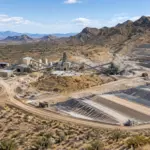
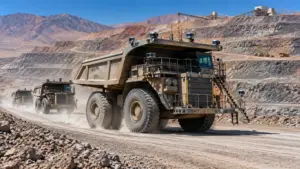
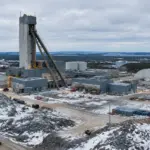
Copper processing infrastructure at a Don Mario-style mining operation in Bolivia.

By Salini Krishnan
Orvana Minerals has produced its first copper cathodes from the Oxides Stockpile Project at its Don Mario operation in Bolivia, completing the second of the project’s two metal-recovery circuits and moving the expanded plant into a commercial ramp-up.
The milestone gives Orvana a new source of refined copper revenue while also confirming that the Don Mario plant can recover copper and gold-silver from the same oxide ore feed. However, the company said the ramp-up has been slower than expected and withdrew its fiscal 2026 production guidance for its Bolivian subsidiary, EMIPA.
Orvana reported that the first copper cathode was produced on Sept. 16. The company had previously produced its first gold-silver doré from the oxide circuit, meaning both principal recovery routes at the expanded plant are now operational.

Stockpile reprocessing underpins the project
The Don Mario project is based on the reprocessing of existing oxide stockpiles rather than the development of a new open pit.

That model allows Orvana to use material already mined and stored at the site. The approach can reduce the need for additional near-term mining activity, although the economics still depend on metallurgical recovery, plant reliability, reagent costs, energy consumption and the quality of the stockpile feed.
The expanded flowsheet starts with crushing and milling before the ore passes through thickening, acid leaching and filtration. The copper-bearing solution, known as pregnant leach solution, is directed to a solvent extraction and electrowinning circuit.
In the solvent extraction stage, copper is transferred from the leach solution into an organic phase and then stripped into an electrolyte. Electrowinning uses electricity to plate copper onto cathode sheets, producing a refined product that can be sold into the copper market.
The filtered residue is processed separately through a cyanide leach and adsorption-desorption-recovery circuit to produce gold-silver doré.

Rows of electrowinning cells and copper cathode plates inside a processing facility.
Orvana’s description of the project indicates that the two metal circuits share the front end of the flowsheet but separate after leaching and filtration. That configuration is central to the stockpile strategy: one oxide feed can support two saleable products.
Ramp-up is targeting 1,700 tonnes per day
Orvana is targeting an average processing rate of approximately 1,700 tonnes of oxide ore per day once the plant reaches stable operation.
The company said early ramp-up performance has been slower than anticipated, although plant performance is improving. Management’s immediate priorities are mechanical reliability, operational stability and progressively increasing throughput across the copper and precious-metals circuits.
The first cathode is therefore an operating milestone, not a declaration that the plant has reached its full production rate.
Orvana had expected the Don Mario expansion to move into stable commercial production during September. Delays and commissioning issues pushed back the schedule, reducing the amount of time available for the operation to contribute to fiscal 2026 production.
The company now expects EMIPA’s fiscal 2026 production to fall below the guidance issued in August and has withdrawn that guidance. Orvana is expected to provide another operational update in mid-October.
Don Mario ramp-up at a glance
| Item | Current status |
|---|---|
| Project | Oxides Stockpile Project |
| Location | Don Mario, Bolivia |
| Feed source | Existing oxide stockpiles |
| Copper process | Acid leach, solvent extraction and electrowinning |
| Precious-metals process | Cyanide leach and ADR circuit |
| Target throughput | Approximately 1,700 tonnes per day |
| Copper milestone | First cathode produced |
| Gold-silver milestone | First doré produced |
| Fiscal 2026 guidance | Withdrawn for EMIPA |
Cash flow depends on plant stability
The first copper cathodes should improve Orvana’s ability to generate operating cash from Don Mario, but the near-term contribution will depend on how quickly the plant moves from commissioning into consistent production.
Lower-than-planned fiscal 2026 output means the operation is unlikely to deliver the cash flow originally implied by the company’s earlier guidance. The timing of sales, recoveries, operating costs and working-capital requirements will also influence the financial impact.
Orvana entered the ramp-up period with a measure of financial support. The company reported fiscal third-quarter net income of $18.5 million and cash and equivalents of $32.5 million. That balance provides liquidity while EMIPA works through the remaining commissioning and reliability issues, although it does not remove the operational risk associated with a new or expanded processing circuit.
The medium-term opportunity is more significant if Don Mario can sustain the targeted 1,700 tonnes per day and produce both copper cathodes and gold-silver doré from the oxide stockpiles. In that scenario, the project could provide a broader revenue base and improve the contribution of the Bolivian operation to consolidated cash generation.
For now, the key distinction is between technical completion and financial delivery. Orvana has demonstrated that the copper circuit works. It still needs to demonstrate that it can operate reliably at commercial throughput.

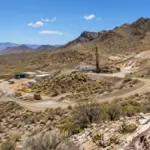
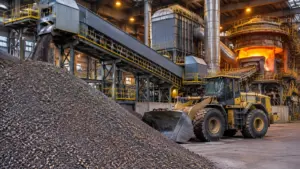
Stockpiles, conveyors and processing infrastructure at a large-scale mining operation.
What the milestone means for Bolivia
Bolivia is better known globally for silver, zinc, tin and lithium than for large-scale copper production. The Don Mario milestone adds a new example of domestic copper recovery and highlights how existing mine inventories can contribute to mineral output without an immediate expansion of open-pit mining.
That is relevant to Bolivia’s broader effort to develop more value from its mineral resources. Producing copper cathodes on site captures more processing activity than shipping an unprocessed or partially processed feedstock. It also creates a local operating base for hydrometallurgy, solvent extraction and electrowinning skills.
The project’s stockpile model has an additional environmental dimension. Reprocessing existing material can reduce the need for near-term new disturbance compared with a greenfield mine, but it does not eliminate environmental obligations. Acid leaching, cyanide recovery, water management, residue storage, power consumption and chemical handling remain central to the project’s operating profile.
That makes mining ESG compliance in 2026 an operational issue rather than a reporting exercise. Orvana will need to show that the expanded plant can manage process water, reagents, tailings and cyanide-related risks while maintaining stable production. The same controls will also affect operating costs and the project’s credibility with regulators, communities and investors.

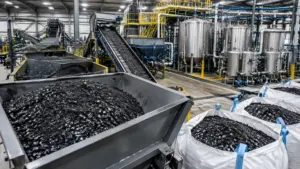
Freshly produced copper cathode sheets prepared for handling and shipment.
Copper market context
The new cathode production arrives as the copper market remains focused on supply growth, smelter capacity and demand linked to power infrastructure, electrification and data-center construction.
A single project of Don Mario’s size will not materially alter global copper balances. Its importance is more specific: it gives Orvana direct exposure to refined copper production and gives Bolivia another operating reference point for domestic copper processing.
For investors assessing a copper price forecast for 2026, the Don Mario story is less about volume than execution. Higher copper prices would improve the value of recovered metal, but price strength cannot compensate indefinitely for low throughput, poor recoveries or unplanned downtime.
Investor take: The first cathode is a meaningful technical win, but it is not yet a full cash-flow inflection point. The next figures that matter are sustained tonnes per day, copper recovery, unit costs and actual shipments. If Orvana reaches the 1,700-tonne-per-day target while maintaining the gold-silver circuit, the stockpile project could become a useful dual-metal cash generator. Until then, the headline is positive, but operating consistency still has to earn the valuation.
Orvana’s first copper cathodes confirm that the Don Mario expansion has moved beyond construction and into production. The next test will be whether the plant can turn that first metal into repeatable output and dependable cash flow.
Related coverage
- Copper price forecast 2026: $15,000 bull case hinges on tariff call
- Copper Demand Outlook: AI Grids Meet Supply Limits
- Mining ESG Compliance 2026: Policy Tightens Around Permits and Water
Social snippet
Orvana Minerals has produced its first copper cathodes at Bolivia’s Don Mario Oxides Stockpile Project. The milestone puts both copper and gold-silver recovery circuits into production, but slower ramp-up has led the company to withdraw EMIPA’s fiscal 2026 guidance. The next test: stable throughput near 1,700 tonnes per day. #Copper #MiningNews #MiningESG